
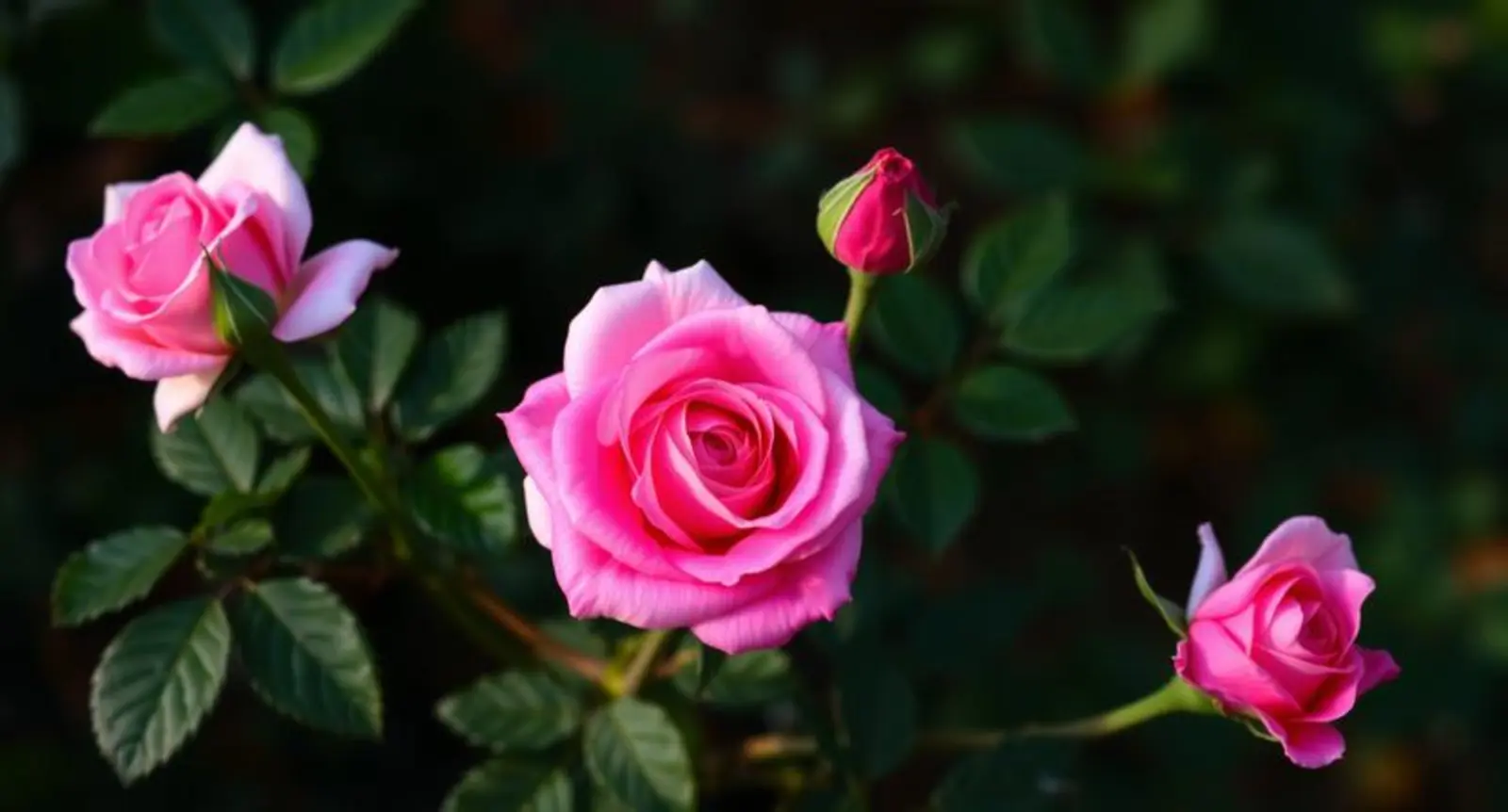
Few words evoke as much romance, symbolism, and versatility as “rose.” Whether describing a fragrant garden flower, a delicate shade of pink, or the action of something lifting upward, “rose” carries layers of beauty, resilience, and change.
Learning its synonyms isn’t just about expanding vocabulary—it’s about mastering nuance for clearer communication, more evocative writing, and stronger connections.
In this comprehensive guide, you’ll find semantic clusters tailored to different contexts, detailed breakdowns of key synonyms, comparison tables, usage decision frameworks, antonyms, idioms, and practical writing advice.
By the end, you’ll confidently select the most fitting word for poetry, professional reports, marketing, or everyday chats—building your own topical authority in expressive English.
Defining “Rose”: Meanings and Origins
Rose (noun) primarily denotes shrubs and flowers of the genus Rosa, prized for beauty, fragrance, and thorns. It also names a dusty pink color and, as the past tense of “rise,” indicates upward movement or increase.
Etymology: From Old English rōse, via Latin rosa and Greek rhodon, likely from ancient Iranian roots meaning “flower.” This cross-cultural heritage explains its universal appeal in literature, symbolism (love, secrecy, York/Lancaster wars), and language.
Understanding these roots helps appreciate why synonyms vary by emotional intensity, formality, and domain.
Why Learning Rose Synonyms Matters in 2026
In an AI-driven search era (Google AI Overviews, Perplexity, ChatGPT Search), precise language signals authority and improves readability scores. Synonyms prevent repetition, match user intent across voice/search queries, and support EEAT by demonstrating nuanced expertise. They also enhance emotional resonance—vital for marketing, leadership, education, and creative work.
Original Framework: The Rose Lexical Hierarchy
Visualize synonyms on a multi-dimensional scale:
- Emotional Intensity: Subtle (pink) → Vibrant (crimson) → Poetic (roseate)
- Formality Spectrum: Casual (blush) → Professional (ascended) → Literary (bloom)
- Context Matrix: Sensory (flushed), Abstract (soared), Botanical (blossom)
This model adds information gain beyond basic lists, helping you choose words that fit audience, medium, and goal.
Semantic Clusters of Rose Synonyms
Organized by use case for easy reference and semantic SEO.
1. Everyday Conversation & Informal Language
- Pink, rosy, blush: Warm, approachable tones for skin, cheeks, or optimism. Definition: Light reddish hue or gentle flush. Tone: Affectionate, positive. Example: “Her cheeks had a rosy glow after the hike.” Collocations: rosy outlook, blush wine.
2. Professional & Business Communication
- Increased, climbed, surged: For metrics, prices, or performance. Usage: “Profits rose sharply” → “Profits surged 25%.” Comparison: “Surged” implies sudden energy; “climbed” suggests steady progress.
3. Creative Writing & Literary English
- Bloom, blossom, roseate, flush: Evocative for growth or beauty. Roseate: Optimistic or rose-tinted. Example: “Hope blossomed like a rose in spring.”
4. Academic & Formal Writing
- Ascended, mounted, elevated: Precise for abstract or historical rise. Grammar note: Pair with “to” or “from” (ascended to prominence).
5. Marketing, Persuasive & Customer Service Copy
- Radiant, vibrant, enchanting: Highlight appeal. Tip: “Our new rose-tinted collection evokes timeless elegance.”
6. Emotional Expression & Public Speaking
- Soared, flourished, burgeoned: Convey triumph or development. Emotional tone: Uplifting, motivational.
Comparison Table: Rose vs. Key Alternatives
| Word | Meaning Nuance | Formality | Best Context | Example Sentence | Vs. “Rose” Difference |
| Bloom | Flowering, flourishing | Medium | Creative, growth | “Her talent began to bloom.” | More active development process |
| Rosy | Pinkish, optimistic | Casual | Everyday, positive | “A rosy future awaits.” | Stronger emotional warmth |
| Surged | Sudden sharp increase | Professional | Business, news | “Demand surged overnight.” | Dynamic, intense vs. steady rise |
| Blush | Gentle pink flush | Informal | Sensory, skin | “A blush crept across her face.” | More transient, intimate |
| Ascended | Formal upward movement | High | Academic, narrative | “The balloon ascended gracefully.” | Elevated register, less common |
Rose vs. Related Words: Subtle Distinctions
- Rose vs. Pink: “Rose” is a specific dusty pink with floral connotation; “pink” is broader and brighter. Use “rose” for elegance.
- Rose (verb) vs. Rose (noun): Context clarifies—avoid ambiguity in formal writing by rephrasing (“the figure increased” vs. “the rose bloomed”).
- Rose vs. Flower/Blossom: “Rose” is specific; “blossom” emphasizes opening or peak beauty.
- Roseate vs. Rosy: “Roseate” is more literary and idealistic (“roseate dreams”); “rosy” is everyday optimism.
Usage Decision Tree:
- Is it a flower? → Bloom, blossom, rosebush.
- Color/emotion? → Rosy, flushed, crimson.
- Increase/movement? → Surged, climbed, ascended.
- Audience? Formal → Ascended; Creative → Roseate.
Antonyms, Related Words, Collocations & Idioms
Antonyms: Fell, declined, withered, faded, dropped (for rise); thorny problem (figurative contrast to beauty).
Related Words & Lexical Field: Thorn, petal, fragrance, bouquet, garden, floral, crimson, dawn.
Idioms & Phrases:
- Bed of roses (easy situation)
- Come up roses (turn out well)
- Rose-colored glasses (optimistic bias)
- No rose without a thorn
Common Mistakes: Confusing “rose” (past) with “risen” (past participle); overusing in lists instead of varying for flow.
Pronunciation Notes: /roʊz/ (US), with homophones like “rows.” Context prevents mix-ups.
Vocabulary Development & Writing Advice
To build mastery:
- Read poetry (Wordsworth, Dickinson) for floral imagery.
- Practice substitution: Rewrite sentences replacing “rose” with 3 alternatives.
- Audience fit: Warm synonyms for customer service; precise ones for reports.
- Editing Tip: Read aloud—does the synonym enhance rhythm and connotation?
Expert Recommendation: In 2026 content, layer synonyms with LSI terms (fragrance, symbolism, resilience) for semantic depth and AI search visibility.
FAQ Section
What are the most common rose synonyms?
Pink, bloom, increased, rosy, blossom.
Is “rose” formal or informal?
Depends on sense—noun is neutral-poetic; verb form suits both but elevate with “ascended” in academia.
How do I choose between rosy and roseate?
“Rosy” for approachable optimism; “roseate” for elevated, literary flair.
Are there synonyms specific to black roses or symbolism?
Mystery, elegance, resilience—often described as deep crimson or ebony blooms.
Can “rose” synonyms improve SEO?
Yes—natural variation matches diverse queries like “synonyms for rose flower” or “words for rose color.”
Conclusion: Mastering the Language of Roses
“Rose” and its synonyms offer a masterclass in linguistic beauty and precision. By clustering them semantically, applying the lexical hierarchy, and attending to subtle distinctions, you elevate every piece of writing or speech.
Whether crafting marketing copy that blooms with persuasion, academic prose that ascends with clarity, or personal notes that flush with warmth, the right synonym makes all the difference.
Embrace this resource as your definitive guide—return often, experiment boldly, and watch your communication flourish. The world needs more nuanced, human-first language. Start with one perfect “rose” synonym today.

Expert USA writer known for unique captions, motivational quotes, and fresh social media ideas.